Retail Therapy Definition & Meaning
Retail therapy summary:
Retail therapy is the act of shopping in order to boost your mood.
Retail therapy could be used as an attempt to cope with stress or sadness.
People who turn to retail therapy too often risk landing in debt.
What is retail therapy?
Retail therapy is shopping for the purpose of improving your mood or state of mind. With retail therapy, you're generally not shopping for a specific item you need. Rather, your goal may be to find an item that lifts your spirits. Retail therapy is something that happens in stores or online.
Key concept: Retail therapy can derail your personal finances if you’re not careful.
Comprehensive breakdown of retail therapy
When you engage in retail therapy, you're typically shopping for wants, not needs. You may not even have a specific item in mind. The goal of retail therapy is generally to improve your mood or cheer yourself up.
Some people use retail therapy to reward themselves for hard work, such as after completing a stressful exam or a long project at work. Other people use retail therapy to compensate for things that may be missing in their lives, whether it's a romantic partner or a goal that seems out of reach.
Retail therapy, in moderation, could be an effective mood booster. It could also be a good distraction when you have negative thoughts you're struggling to shake.
However, too much retail therapy could have a negative impact on your finances. If you overspend on retail therapy, you risk ending up needing debt relief.
Carrying too much debt could result in credit score damage, making it harder to borrow money when you need it. Too much retail therapy could also get in the way of meeting other financial goals, like building an emergency fund.
The purpose behind retail therapy is to feel better mentally. But if you spend too much money on retail therapy, you may end up feeling guilty or angry with yourself, instead.
Example of retail therapy
You're having a tough week. Your manager was critical of your work, your sibling picked a fight over something silly, and you're feeling lonely because your partner is away on a business trip. You may decide to go shopping for clothing you want but don't need, with the express purpose of helping yourself feel better. That's retail therapy.
Retail Therapy FAQs
Retail therapy can give you a temporary sense of happiness because you're treating yourself to something that appeals to you. Shopping may also serve as a distraction and take your mind off of things that may be worrying you.
No. Retail therapy might temporarily improve your mood and outlook, but it's not a type of professional therapy. Rather, it's a casual term that describes the process of shopping as a path to feeling better.
Not usually. Impulse shopping is when you make an unplanned purchase on a whim. Retail therapy is when you purchase something (in a store or online) in an effort to help yourself feel better.
Related Articles
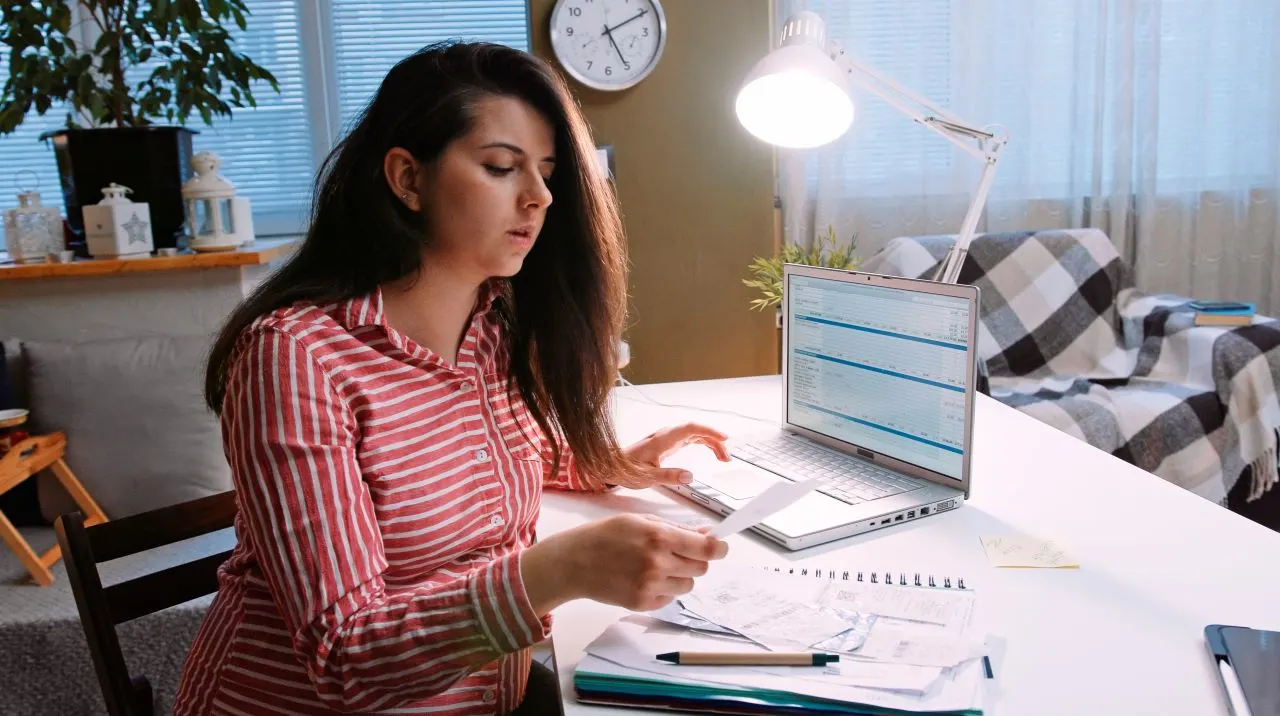
Learn the surprisingly simple truth about how credit scores work—and how to improve and protect yours.


Saving for emergencies can sound like an impossible task. Our tips can help you get started—and gain peace of mind


Everything in life changes. That’s why a financial checkup matters. Here’s a step-by-step guide to help you keep your finances strong and healthy.

Learn the surprisingly simple truth about how credit scores work—and how to improve and protect yours.
Saving for emergencies can sound like an impossible task. Our tips can help you get started—and gain peace of mind
Everything in life changes. That’s why a financial checkup matters. Here’s a step-by-step guide to help you keep your finances strong and healthy.